Amelia Earnshaw Makes a Powerful Introduction with Debut Album Written in the Rain
Updated: Jul 29
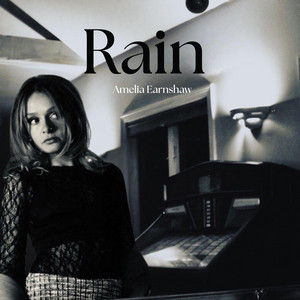
New Hampshire-based singer-songwriter Amelia Earnshaw steps confidently into the spotlight with the release of her debut album, Written in the Rain. Released on July 10, 2026, the 14-track project introduces listeners to a 22-year-old artist with a commanding
voice, a thoughtful approach to songwriting, and a willingness to transform personal vulnerability into music. The album defines Earnshaw’s emerging artistic identity: candid, multidimensional, introspective and full of heart.
Earnshaw began playing guitar and writing songs as a young teenager during the isolation of the COVID-19 pandemic. When live music returned, she began bringing her original material to local stages. It did not take long for audiences to connect with the songs and join her in singing the choruses.
Known for her expressive vocals, honest songwriting and engaging stage presence, Earnshaw has developed as both a solo artist and an experienced live performer. She has built a strong foundation through years of performances, songwriting, vocal competitions and collaborations throughout New England. She was a top placer at the Grand Finale Showcase series in Boston, and winner of the Entertainment competition at the New England Music Festival.
Her performance credits include appearances at the Hard Rock Cafe, Hampton Beach Seashell Stage, Salisbury Beach, Loretta’s Last Call, The Music Room Cape Cod, and Food Truck Festivals of America events. One of her favorite local spots is Casey's Rib Shack in Manchester, NH. She has also participated in summer tours with groups of emerging artists and regularly performs at restaurants, clubs, and community venues throughout the region.

Earnshaw describes Written in the Rain as a concept album inspired by a series of moments from her own life. That personal foundation gives the project a strong sense of continuity. Rather than sounding like a random collection of songs, the album unfolds like a musical journal, capturing changing emotions, relationships, memories and stages of personal growth.
The record also follows the emotional moods associated with the calendar seasons. The winter songs move through darker and more deeply reflective territory, while the summer selections introduce a sense of light, freedom and possibility.
The album’s title is especially fitting. Rain can represent sadness, reflection, renewal or the clearing away of what came before. Earnshaw draws upon all of those meanings throughout the project, using rain as a connecting image for songs exploring vulnerability, uncertainty, isolation and resilience.
Earnshaw’s greatest strength is her voice. She has long been recognized within the New Hampshire and New England music community as a powerful vocalist, and Written in the Rain gives that voice room to develop across a full-length recording.
Her delivery can be soulful and forceful, but she is equally effective during the album’s quieter, more introspective passages. She does not simply sing the lyrics; she communicates the emotional weight behind them. Two of the album’s songs feature stripped-down acoustic arrangements centered on Earnshaw’s voice and guitar, highlighting the clarity, control and emotional honesty of her performances.
The project includes previously released songs such as “Rain” and “Ghost Town.” Heard within the context of the complete album, these tracks take on additional meaning as pieces of a much larger story. “Rain” provides a natural centerpiece for the album’s central theme, while “Ghost Town” introduces another layer of isolation and emotional distance. “October” further reinforces the record’s reflective and memory-driven atmosphere.
In “Rain,” Earnshaw writes:
“I am so caught up in my brain.
That all you get from me is rain.”
She later offers comfort and protection through the words:
“You don’t have to hide your pain.
Let me shield you from the rain.”
One of the most impressive aspects of Written in the Rain is its ambition. At 14 songs and approximately one hour in length, the album gives Earnshaw the space to establish her artistic identity rather than offering listeners only a brief introduction.
The result is a substantial debut that reflects patience, commitment and a clear desire to create a complete body of work. Earnshaw quietly moved from song to song with the understanding that her final accomplishment would be an album that was not only relatable but also far-reaching in its emotion and sense of discovery.
Her songwriting is most effective when it remains close to lived experience. The lyrics reveal someone processing the past while learning how to move forward. Although the stories are personal, the emotions are widely relatable. Listeners who have experienced changing relationships, disappointment, longing, self-doubt or personal reinvention will recognize familiar feelings throughout the record.
“Shapeshifter” is one of the album’s most intense and empowering moments. The song moves through vulnerability, anger and restlessness before arriving at a new found sense of freedom and personal strength.
“I won’t answer to all of your demeaning.
I won’t flinch and I won’t quiver.”
The song examines the emotional instability of a difficult relationship:
“One day you are nice,
And you drown me in your anger.”
As the track progresses, the listener feels Earnshaw confronting the person and the painful experiences she needed to leave behind. The result is raw, emotionally complex and highly relatable.
Earnshaw worked with Boston-based the lead produer Tristan Fruzzetti at The Bridge Sound & Stage (three-time Boston Music Awards Recording Studio of the Year winner), and musician/producer Owen Korzec, who contributed drums and instrumentals to "October" and Shapeshifter" to the project. Together, they helped create a wide-ranging sonic universe that moves from plaintive chamber folk to fully produced indie-pop.
The arrangements give the album variety without sacrificing its emotional continuity. Double-tracked vocals, graceful winding melodies and carefully constructed bridge sections showcase Earnshaw’s vocal ability while allowing the honesty of her songwriting to remain at the center. In a recent radio show Amelia was on with WPKZ 105.3 the radio hosts, Tristan Taylor and Noah Hatton, commented on how the songs chord progressions are unique, complex, and interesting throughout the album, and make you want to hear them all.
The emotional release becomes especially clear in “Happy Song,” where Earnshaw reflects on the damage of the past while beginning to recognize her own purpose:
“I will never know because there is no point in stressing about the things that broke me.”
She later acknowledges the hardship she has endured:
“I have been through hell, but I don’t mind.
I lost myself a long time ago.”
Yet the song ultimately moves toward acceptance and self-belief:
“What I have been gifted is what I am meant to do.”
By the album’s conclusion, the world may still feel unfamiliar, but it is also filled with possibility. The final track, “Time,” closes the project on a warm and hopeful note with the observation:
“Rhythm changes when life rearranges.”
It is an appropriate conclusion for an album built around emotional seasons, changing circumstances and the difficult process of personal growth.
Written in the Rain represents an important milestone for a New Hampshire performer who has spent years developing her voice and sharing her music through live appearances and independent releases. It captures Earnshaw at the beginning of a promising new chapter while documenting the relationships, memories and experiences that brought her to this point.
With its emotional storytelling, strong vocal performances and cohesive concept, Written in the Rain is an assured and meaningful debut. Earnshaw does more than introduce herself through these songs; she gives listeners an intimate glimpse into the moments that shaped her.
Her broad musical range, soulful voice and honest writing invite multiple listens. It is the rare album that pulls the listener from song to song until the final track arrives, with little concern for time and a complete commitment to the journey.
The album travels through the seasons and the emotions associated with them...from isolation, uncertainty and pain to release, confidence and renewed possibility. By the end of Written in the Rain, Earnshaw sounds ready to move beyond the past and pursue whatever comes next.
The result is an album that feels personal, vulnerable and unmistakably her own.
“Amelia Earnshaw’s debut album, Written in the Rain, rises well beyond the expectations of a first release, introducing her as a true professional in vocals, production, and songwriting. The album moves like a journey through the seasons, exploring sadness, joy, personal awakening, life’s love/relationship obstacles, and new discoveries with remarkable clarity. From the vocals to the lyrics, every detail feels intentional and elevated. Her voice sits dominantly at the forefront of the mix, making each lyric effortless to hear while showcasing her versatility, layered harmonies, and emotional depth. Blending soul, pop, and indie influences, Written in the Rain flows beautifully from the opening track, “October,” to the closing song, “Time,” ending with a sense of release as the world opens into a brighter emotional climate, free from the wounds of past relationships. There is not a song to skip, making this debut a proud and defining moment for a rising indie-pop songwriter.”~Performers On the Go
Website: https://ameliae.net/
Instagram: @amelia.e.music


Hearthstone At Wildwood has the feel of a community where comfort and daily engagement are both important. The setting offers support with everyday activities while giving residents opportunities to enjoy social programs and shared spaces. Attention to lifestyle and personal routines can make assisted living feel less restrictive and more familiar. It appears to offer a pleasant balance between dependable assistance and an active senior lifestyle.